March 23, 2026
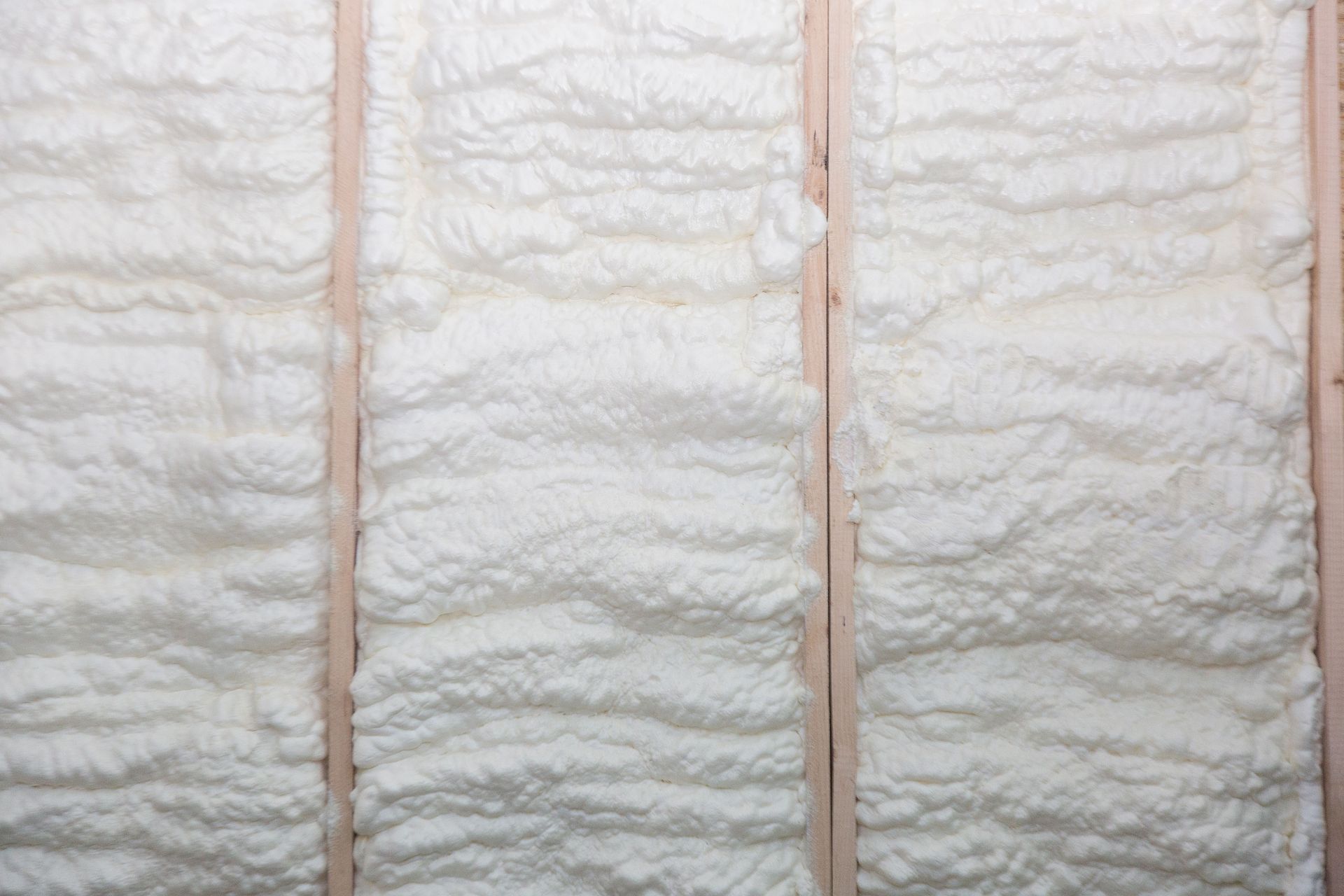
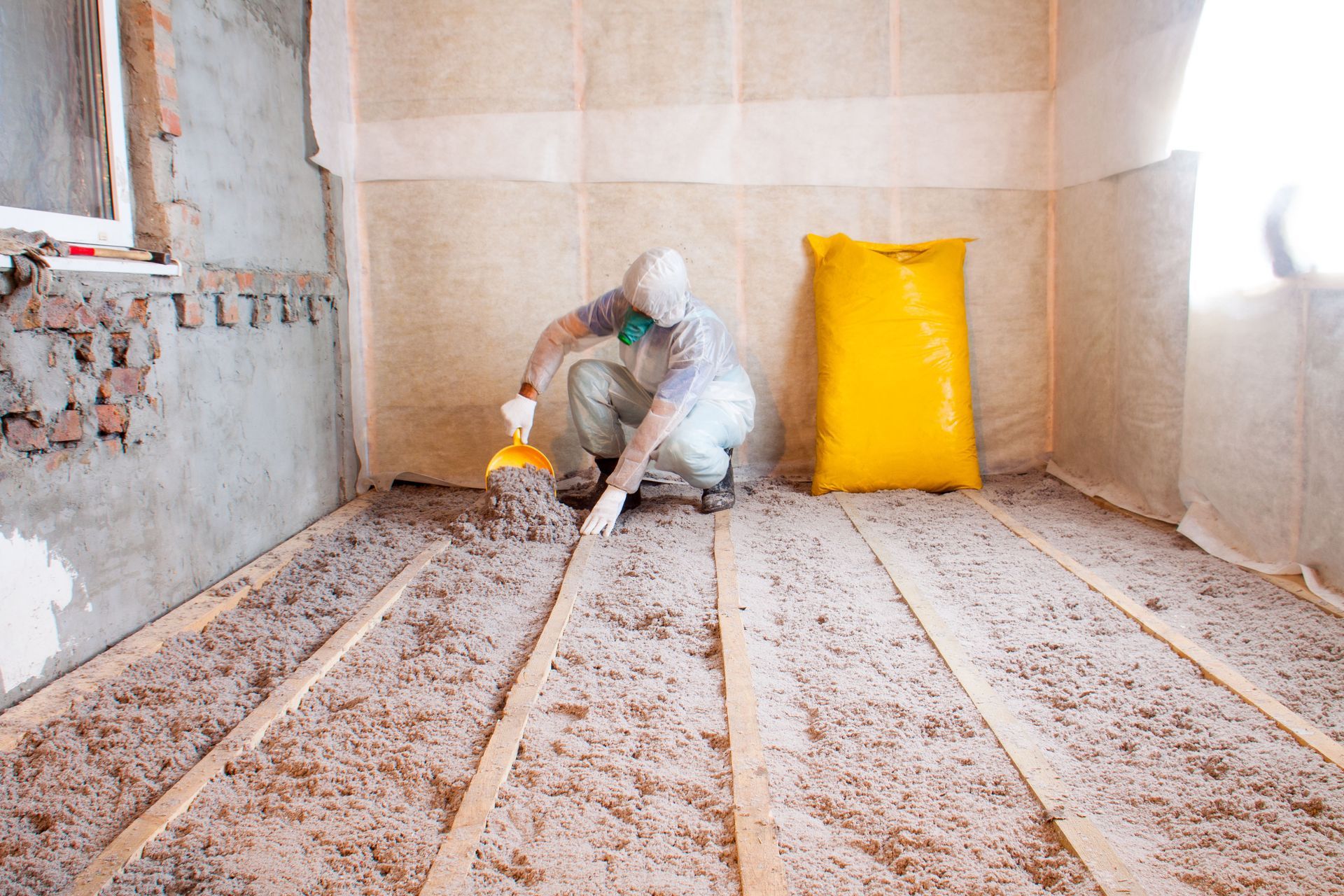
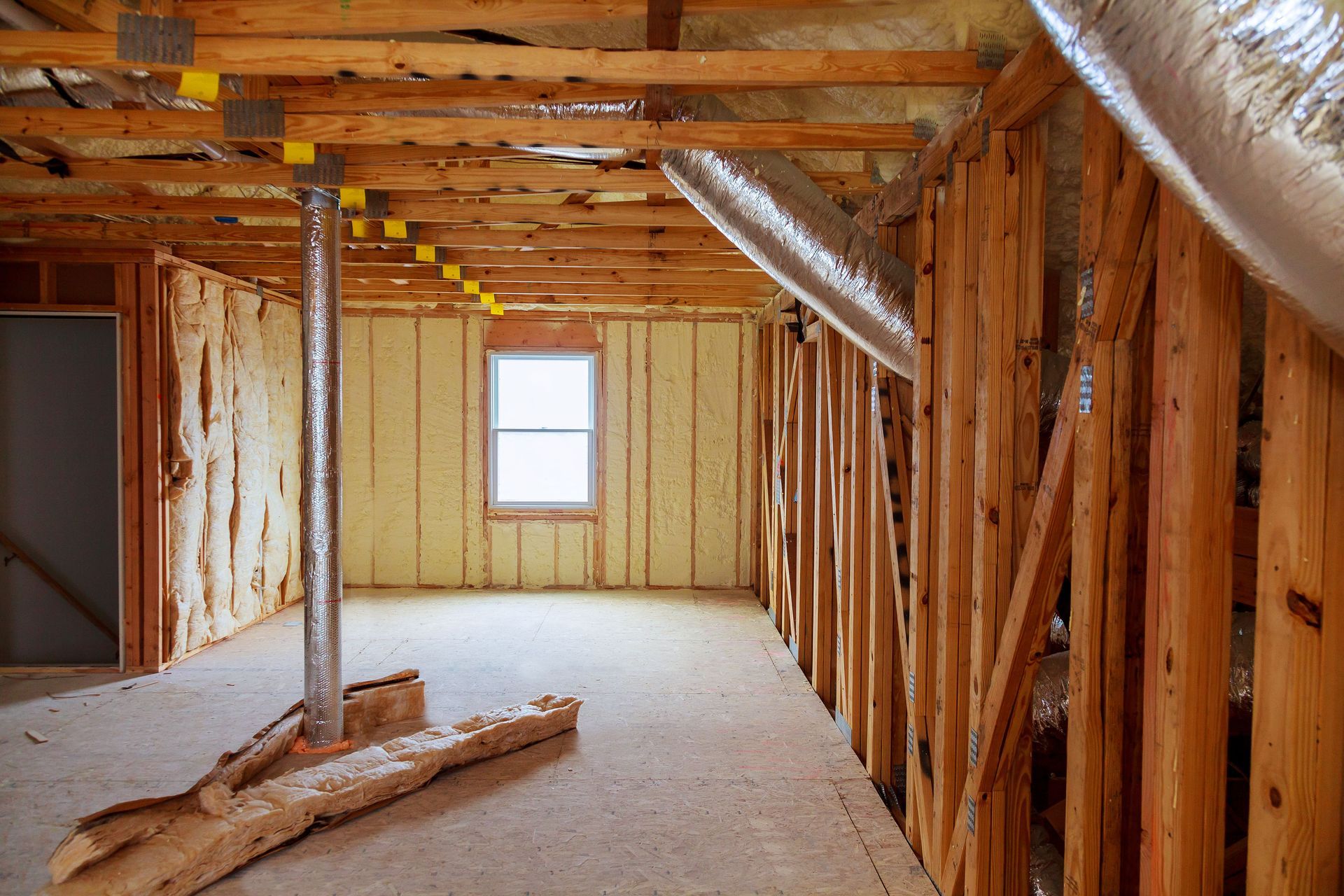
Spray foam insulation is becoming an increasingly popular choice for homeowners and builders due to its numerous benefits. This long-form article will explore the various advantages of using spray, examining why it might be the ideal solution for your insulation needs. By offering enhanced energy efficiency, environmental benefits, moisture control, soundproofing capabilities, structural integrity, and versatile application, this advanced material stands out as a superior choice compared to traditional insulating products. This detailed analysis will give you a comprehensive understanding of how this expanding insulation system can optimize performance, contributing to a comfortable, efficient, and environmentally friendly living environment. Here, we delve deeper into the specific benefits and multifaceted advantages that make spray foam a premium investment for both residential and commercial properties. In addition to performance improvements, it also supports long-term property value and modern building standards focused on durability and sustainability.
1. Improved Energy Efficiency
1.1 Superior Air Barrier
Spray foam insulation provides an exceptional air barrier, significantly reducing air leakage in homes and buildings. Unlike other insulation types that merely slow down heat transfer, it acts as a sealant, closing gaps and cracks that would otherwise allow the flow of unconditioned air. As a result, it helps maintain a consistent indoor temperature, reducing the need for heating and cooling systems to work overtime. According to Bob Vila, while a variety of insulation types are available, because spray foam also acts as a sealant, it’s up to 50 percent more efficient than some other types. This superior air-sealing capability is particularly beneficial in preventing drafts and hot or cold spots. Because it expands upon application, it reaches tight spaces that other materials may miss, creating a more complete thermal envelope throughout the structure.
1.2 Reduction of Energy Bills
Its ability to tightly seal a building envelope means that it can substantially lower energy costs. With reduced air leakage, heating and cooling systems exert less effort to maintain desired temperature settings, thereby consuming less energy. Homeowners and businesses often experience noticeable savings on their utility bills after proper installation. Over time, these cumulative savings can offset the initial investment. In both residential and commercial properties, reduced monthly energy expenses free up resources for other improvements while promoting responsible energy consumption.
1.3 Enhanced Indoor Comfort
Beyond financial savings, this insulation solution also contributes to improved comfort within a living or working space. It creates a consistent thermal envelope that minimizes temperature fluctuations and drafts, enhancing the overall indoor climate. Occupants benefit from fewer cold floors in winter and less heat intrusion during summer months. Additionally, stabilized humidity levels can make indoor air feel fresher and more balanced. These comfort improvements enhance daily living conditions and create a more enjoyable indoor environment year-round.
1.4 R-Value Performance
The R-value measures thermal resistance, and this material offers one of the highest ratings available among insulation products. Its expansive application allows it to fill even the smallest cavities, forming a high-performance barrier against heat transfer. Compared to traditional fiberglass or cellulose, it maintains effectiveness in extreme temperatures. This reliable thermal resistance is especially valuable in regions with harsh seasonal swings. By maintaining strong insulating performance over time, it helps ensure long-term energy efficiency and dependable indoor climate control.
1.5 Increased HVAC Efficiency
By sealing gaps and minimizing air leakage, spray foam insulation allows HVAC systems to operate with greater efficiency. With less fluctuation in indoor temperatures, heating and cooling units function more consistently and experience less strain. This reduced workload can extend the lifespan of equipment and lower maintenance costs. In addition, efficient system operation supports quieter performance and more balanced airflow throughout the building. These combined benefits create a more sustainable and cost-effective climate control system overall.
2. Environmental Benefits
2.1 Reduction in Energy Consumption
Spray foam insulation minimizes heat loss and gain, directly reducing overall energy consumption. By stabilizing interior conditions, it decreases reliance on fossil fuel-generated electricity in many regions. Lower energy demand translates to fewer greenhouse gas emissions associated with heating and cooling. Over the lifespan of a building, this reduction can represent a meaningful environmental contribution. Choosing high-performance insulation is a practical step toward lowering environmental impact without sacrificing comfort or performance.
2.2 Minimizing the Carbon Footprint
When energy use declines, so does the carbon footprint of a property. Reduced heating and cooling demand means less fuel combustion and fewer emissions released into the atmosphere. Over decades of occupancy, the cumulative environmental benefit can be significant. Property owners seeking sustainable building practices often prioritize high-efficiency insulation as a foundational component of their strategy. This approach supports broader environmental goals while delivering practical cost savings.
2.3 Eco-Friendly Materials
Many modern formulations incorporate environmentally conscious manufacturing processes and improved chemical compositions. Advances in technology have led to products with lower environmental impact during production and application. Additionally, the long lifespan of spray foam insulation reduces the need for frequent replacement, decreasing material waste over time. By selecting durable insulation materials, builders contribute to reduced landfill contributions and more sustainable construction cycles.
2.4 Contribution to Green Building Certifications
High-performance insulation can support compliance with green building standards and energy-efficiency benchmarks. Reduced air leakage and improved thermal control help buildings meet strict performance metrics. Achieving recognized sustainability certifications can enhance property value and market appeal. Developers focused on environmentally responsible design often rely on insulation upgrades to meet certification criteria and demonstrate commitment to efficiency.
2.5 Long-Lasting Durability
Durability enhances sustainability. Because this insulation does not easily sag, settle, or deteriorate, it maintains effectiveness for many years. Fewer replacements mean reduced manufacturing demand and less construction disruption. Its ability to retain performance without significant degradation contributes to consistent energy savings across the life of the structure. This reliability makes spray foam insulation a forward-thinking investment for long-term environmental responsibility.
3. Moisture and Mold Control
3.1 Continuous Moisture Barrier
One of the standout features of spray foam is its ability to create a continuous moisture barrier. By sealing cracks and seams, it prevents unwanted water vapor intrusion that can lead to condensation. This protection is especially important in humid climates or areas prone to temperature swings. Controlling moisture helps safeguard framing, drywall, and other structural materials from deterioration.
3.2 Mold Prevention
Moisture control plays a critical role in preventing mold growth. By limiting water infiltration, this insulation reduces the likelihood of mold spores developing inside walls or ceilings. Health risks associated with mold exposure, including respiratory irritation, are therefore minimized. A drier wall cavity also protects insulation performance and structural integrity over time.
3.3 Improved Indoor Air Quality
In addition to mold prevention, tighter sealing reduces infiltration of outdoor pollutants such as dust and allergens. Cleaner indoor air supports healthier living environments for occupants of all ages. Stable humidity levels further contribute to comfort and respiratory well-being.
3.4 Condensation Control
Temperature differences between interior and exterior surfaces can lead to condensation buildup inside walls. Proper insulation helps regulate surface temperatures and prevents moisture accumulation. This protection reduces the risk of structural damage and improves overall building durability.
3.5 Protection of Building Materials
By limiting moisture exposure, spray foam insulation helps preserve wood framing, drywall, and other building components. This protection reduces the likelihood of rot, corrosion, and material degradation, supporting long-term structural stability.
Spray foam provides a comprehensive solution for improving building performance across multiple areas, including energy efficiency, environmental sustainability, moisture control, soundproofing, structural strength, and application versatility. Its ability to create an airtight seal, regulate temperature, reduce energy consumption, and protect building components makes it a valuable investment for both residential and commercial properties. By enhancing comfort, durability, and long-term cost savings, this advanced insulation system continues to stand out as a modern solution that supports healthier indoor environments and more resilient structures. Contact Independent Insulation Services today and learn more about our insulation services.