February 23, 2026
Providing expert insight into the world of insulation, contractors offer valuable guidance for homeowners aiming to improve energy efficiency and indoor comfort. Rising energy costs and climate concerns make it increasingly important to address heat loss, drafts, and under-insulated areas in homes. According to the Insulation Institute, 89% of U.S. single-family homes are under-insulated, decreasing comfort while increasing energy costs for homeowners. With this in mind, understanding practical tips from insulation contractors can help homeowners make informed decisions that lead to lasting comfort and savings. The following sections explore actionable advice for selecting, installing, and maintaining insulation in your home, as well as strategies to optimize long-term performance and efficiency.
1. Understand Different Types of Insulation
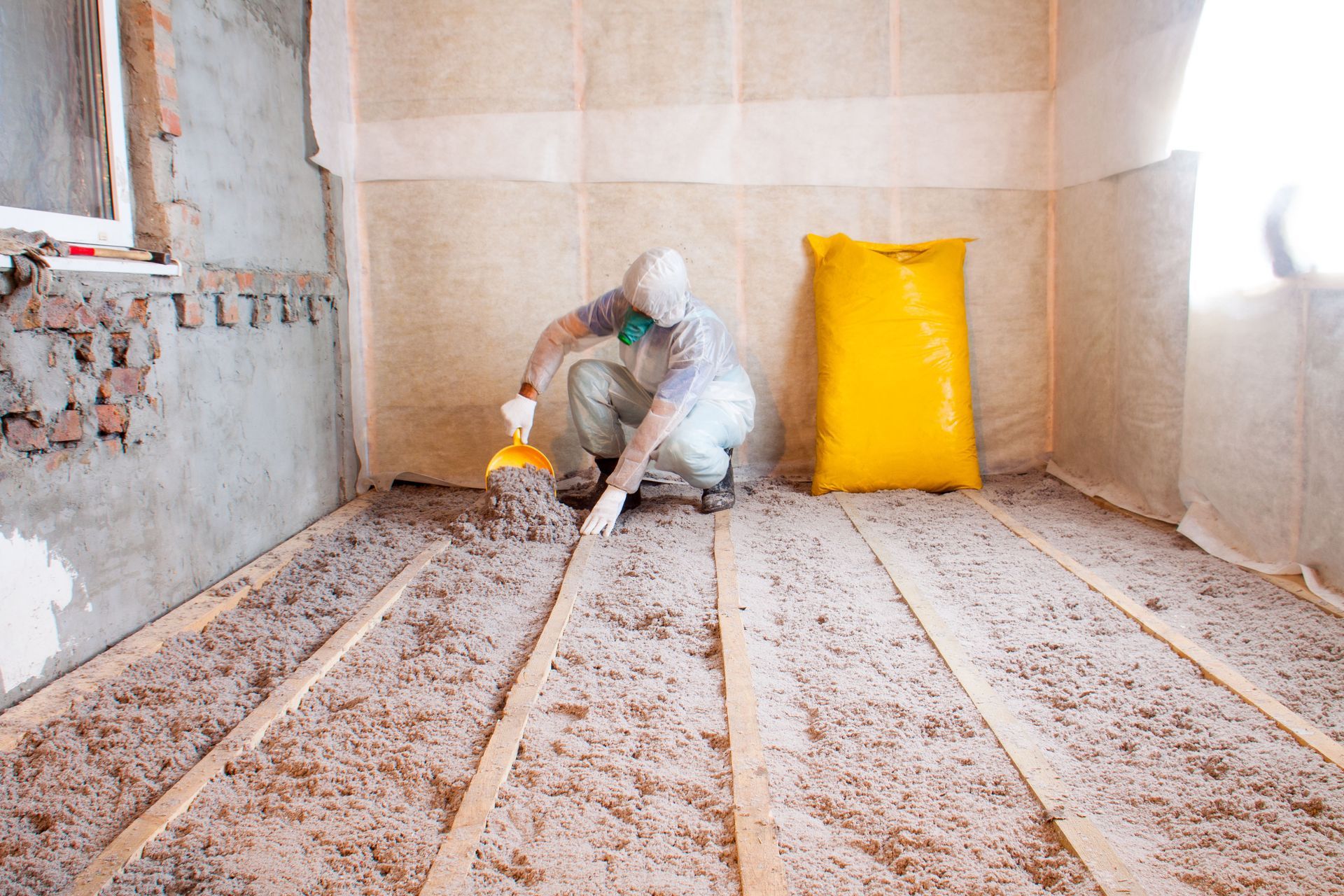
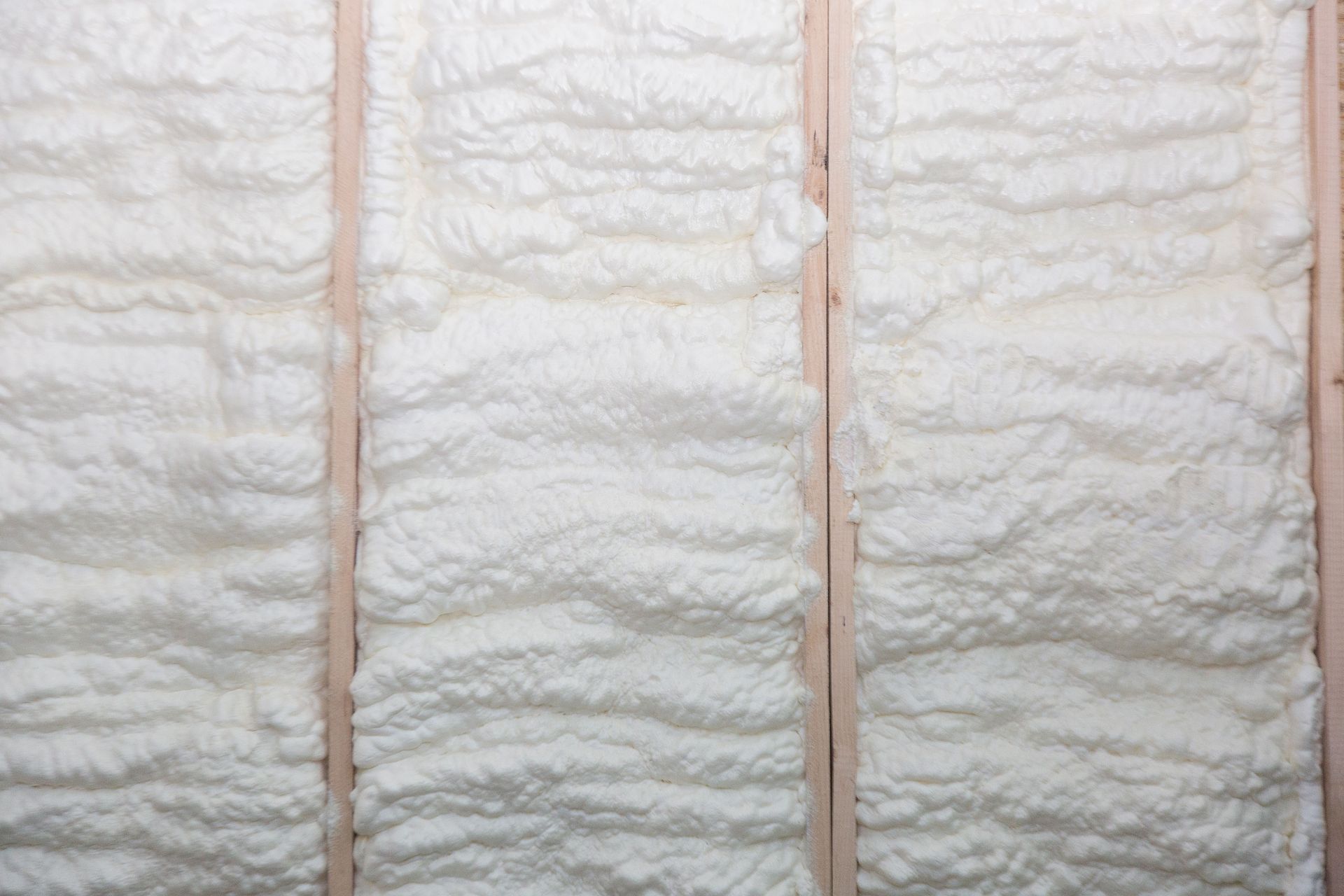
Familiarity with the various types of insulation available is essential for making effective choices. Fiberglass insulation is widely used due to its affordability and ease of installation. Composed of fine glass fibers, it forms a barrier that limits heat transfer. Spray foam insulation provides high R-values with minimal thickness, making it suitable for walls, floors, and ceilings in multiple areas of the home. Each type has distinct advantages, and understanding these differences ensures the right fit for specific applications.
Spray foam insulation offers superior air sealing by expanding a lot compared to its liquid volume, effectively closing gaps and cracks that other materials cannot reach. While more costly, it delivers excellent thermal performance and contributes to a draft-free home. Cellulose insulation, made from recycled paper products, is eco-friendly and effective at noise reduction. Proper installation by insulation contractors ensures it fills irregular spaces efficiently. Reflective or radiant barrier insulation works differently by minimizing heat transfer through radiation, making it ideal for attics in hotter climates to reduce cooling costs. Considering long-term benefits, such as energy savings and durability, helps homeowners make a choice that balances upfront investment with ongoing comfort and efficiency.
2. Assess Your Home's Insulation Needs
Evaluate your home's insulation requirements before beginning any project to ensure improvements address actual deficiencies. An energy audit can pinpoint areas of heat loss or poor insulation. Tools like blower doors and infrared cameras, combined with a review of utility bills and room-by-room inspections, help identify drafts around windows, under doors, and in walls or ceilings. Accurate assessment provides a roadmap for targeted insulation upgrades.
Understanding R-values is central to determining the right insulation. R-values indicate an insulation material’s resistance to heat flow, with higher values signifying better performance. Appropriate R-values depend on factors such as regional climate, home design, and budget. Colder regions require higher R-values to conserve heat, while warmer areas may need moderate values to reduce cooling demands. Climate considerations, along with home age and construction type, influence insulation choices. Older homes often require retrofitting to reach energy efficiency standards, allowing homeowners to address deficiencies and maximize comfort over time. Contractors may also recommend combining insulation types to optimize performance in specific areas, such as pairing spray foam for air sealing with fiberglass for wall coverage.
3. Follow Installation Best Practices
Prioritize Proper Installation to ensure insulation performs as intended. Safety is key, especially with materials like fiberglass, which can irritate skin, eyes, and lungs. Protective gear, including gloves, masks, and long sleeves, is recommended. Insulation contractors emphasize safety to prevent injuries and long-term health issues.
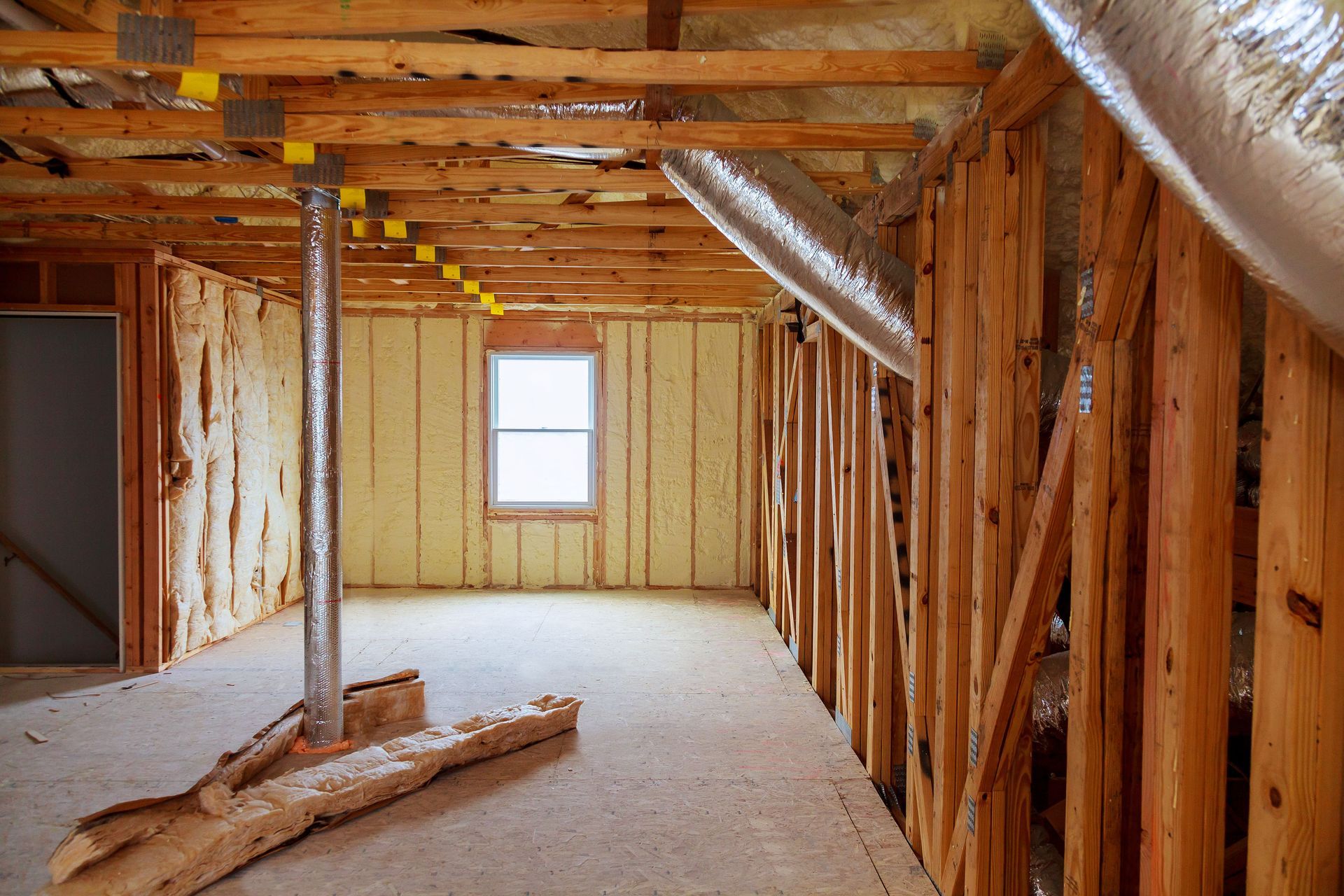
Using the correct tools is equally important. Utility knives, spray canisters, and staple guns help achieve accurate cutting, sealing, and fitting. Correct application methods prevent gaps and compression that can reduce efficiency. Professionals bring the experience and precision needed to complete installation cleanly and effectively. Additionally, contractors often check for hidden problem areas, such as attic nooks or basement corners, ensuring insulation covers every critical section. Avoiding these blind spots contributes to a more consistent temperature and reduces energy waste.
Common installation mistakes include leaving areas uncovered, compressing insulation, or neglecting ventilation requirements. Professionals can ensure these errors are avoided. While some homeowners may consider DIY approaches to save on upfront costs, hiring insulation contractors guarantees high-quality results and long-term energy savings. Evaluating costs, convenience, and expected performance helps homeowners make strategic decisions.
4. Maximize Energy Efficiency
Increase Home Energy Efficiency by combining proper insulation with air sealing and ventilation. Even well-insulated homes can lose energy through gaps around doors, windows, and ductwork. Sealing these leaks with caulk or weatherstripping enhances insulation performance and lowers energy bills. Contractors recommend this as a vital step in creating a comfortable, energy-efficient environment.
Balancing insulation with proper ventilation prevents moisture buildup, improves air quality, and maintains thermal comfort. Attic ventilation is particularly important to avoid heat traps and moisture accumulation. Consulting with insulation contractors ensures homeowners apply best practices for their unique home configuration. They may also suggest supplementary measures, such as dehumidifier services, to further protect insulation performance and indoor air quality. This integrated approach maintains consistent temperatures, prevents mold growth, and extends the life of insulation materials.
Upgrading insulation over time is another key factor. According to the Insulation Institute, homes built decades ago may still fall into the 89% of under-insulated U.S. single-family homes cited by the Insulation Institute. Adding or replacing insulation can improve energy efficiency, reduce utility costs, and even enhance property value. Periodic evaluation ensures that insulation remains effective and aligned with current energy standards. Using high-quality materials and professional installation methods provides a long-term solution rather than a temporary fix, ensuring continued comfort year-round.
5. Consider Costs and Financial Planning
Evaluate costs and budgets for insulation projects carefully to ensure a favorable return on investment. Properly insulated homes can experience lower heating and cooling bills, often offsetting installation costs within a few years. Insulation also contributes to long-term property value, making it a sound financial decision.
Homeowners should review material and labor expenses, noting that professional installations typically offer superior efficiency and durability compared to DIY alternatives. Familiarity with local incentives or state-level tax credits can further offset project costs. Insulation contractors often provide guidance on achieving energy efficiency without overspending.
Additional cost-saving strategies include using recycled materials, scheduling installations during off-peak seasons, or bulk purchasing. These approaches help maintain quality while minimizing expenses. Consulting with professionals can reveal opportunities for financial optimization and ensure the project delivers long-term energy savings. Budget planning paired with professional recommendations helps homeowners gain the most value from their investment.
6. Maintain and Inspect Insulation Regularly
Ensure long-term performance through regular inspections and maintenance. Routine checks allow homeowners to identify issues such as moisture, mold, or compression before they compromise insulation effectiveness. A structured maintenance schedule prolongs the life of materials and preserves energy efficiency.
Watch for signs of deteriorating insulation, including drafts, fluctuating indoor temperatures, and rising energy bills. Contractors can advise on whether repairs or replacement are necessary. Addressing problems early protects the home’s investment and sustains comfort over time. Some contractors may also offer annual maintenance services, which can provide additional peace of mind and ensure insulation continues to perform optimally.
Seasonal maintenance is crucial. Inspecting attic vents, sealing leaks, and topping off insulation in newly exposed areas keeps performance optimal. Professional inspections provide an extra layer of confidence, detecting issues that may not be immediately visible. Staying proactive with maintenance ensures insulation continues to deliver energy savings and comfort throughout the year.
Implementing expert strategies from insulation contractors can significantly improve energy efficiency and home comfort. By understanding the types of insulation, assessing specific needs, and following best installation and maintenance practices, homeowners can achieve long-lasting results. Financial planning, timely upgrades, and proper ventilation further enhance performance and reduce costs. At Independent Insulation Services, we are committed to helping homeowners make informed decisions and apply these practices effectively. Contact us today to explore how our services, including insulation contractors and dehumidifier solutions, can optimize your home’s energy efficiency, increase comfort, and lower utility bills.