January 8, 2026
Insulation companies have become pivotal players in the current conversation surrounding energy efficiency and sustainable building practices. This rise in prominence is largely due to their ability to significantly reduce energy consumption in both residential and commercial spaces. Several factors contribute to the growing prevalence of insulation companies in the construction and renovation sectors. Economic, environmental, and technological developments have all played a part in shaping the industry as it stands today. By examining these drivers, we can better understand the critical role that insulation companies serve in modern construction landscapes.
1. The Rise in Energy Efficiency Demand
1.1. Increasing Energy Costs
One of the most compelling reasons for the surge in demand for insulation services is the rising cost of energy. Homeowners and businesses alike seek to manage their energy expenses by improving the efficiency of their properties. Proper insulation can lead to a decrease in heating and cooling costs, providing significant financial savings over time. This economic incentive is a major motivator for the increased demand for professional insulation services. Companies that offer state-of-the-art insulation solutions find themselves at the forefront of this economically driven market.
1.2. Environmental Awareness and Sustainability
Beyond economic concerns, environmental awareness plays a substantial role in the rise of insulation companies. Consumers today are increasingly conscious of their environmental footprints and seek ways to reduce them. Insulation contributes to sustainability by lowering a building’s overall energy consumption, thereby reducing carbon emissions. This alignment with green building standards has heightened the demand for sustainable insulation solutions. Insulation firms that emphasize eco-friendly materials and practices are particularly appealing to environmentally-minded consumers.
1.3. Government Regulations and Incentives
Government regulations and incentives further drive the insulation industry. Many countries have implemented strict building codes that require improved energy efficiency, propelling the need for quality insulation. Additionally, various tax incentives, rebates, and subsidies encourage property owners to upgrade their insulation systems. These governmental policies provide an economic cushion to both consumers and companies. Thus, insulation firms have adapted to these policy frameworks, offering solutions that meet or exceed regulatory requirements. According to IBISWorld, there are 28,814 businesses in the insulation contractors industry in the United States, showcasing the substantial market this sector covers.
1.4. Technological Advancements in Insulation Materials
The rapid pace of technological advancement has profoundly impacted the insulation industry. New materials developed in laboratories promise greater thermal performance while using less space. Innovative products, such as aerogels and phase-change materials, are pushing the boundaries of traditional insulation practices. These advancements not only improve efficiency but also enhance the desirability of such solutions. Insulation companies that prioritize research and development are at the cutting edge of these innovations, setting themselves apart in a competitive field.
1.5. Consumer Preference for Green Buildings
Consumer preference for eco-friendly building solutions is on the rise, influencing the demand for quality insulation. As awareness of sustainable living grows, more individuals are opting for green-certified homes and buildings. Insulation plays a crucial role in acquiring such certifications because of its energy efficiency benefits. Consumers are increasingly willing to invest in insulation not just for energy savings but also for the intrinsic value of sustainability. Insulation companies that align with this consumer trend are finding ample opportunities to expand their market share.
2. Types of Insulation Offered by Companies
2.1. Fiberglass Insulation
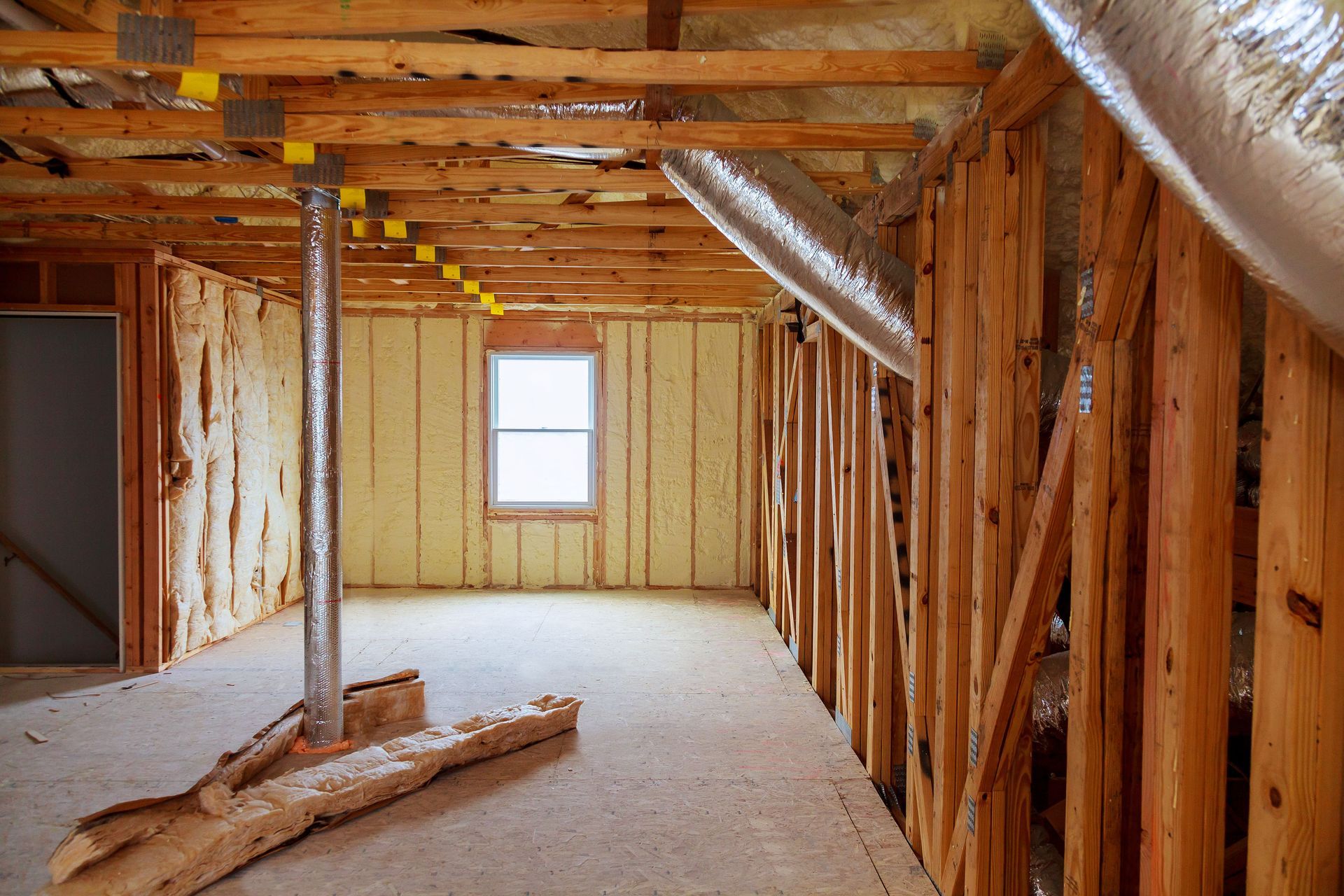
Fiberglass insulation has long been a staple in the industry due to its cost-effectiveness and ease of installation. Made from fine strands of glass woven to make a blanket, this type of insulation is popular for both new construction and retrofitting projects. Its excellent thermal properties make it a reliable choice for reducing energy consumption. Fiberglass is also resistant to moisture and fire, which adds to its safety features. Many insulation companies offer this traditional yet highly effective solution.
2.2. Spray Foam Insulation
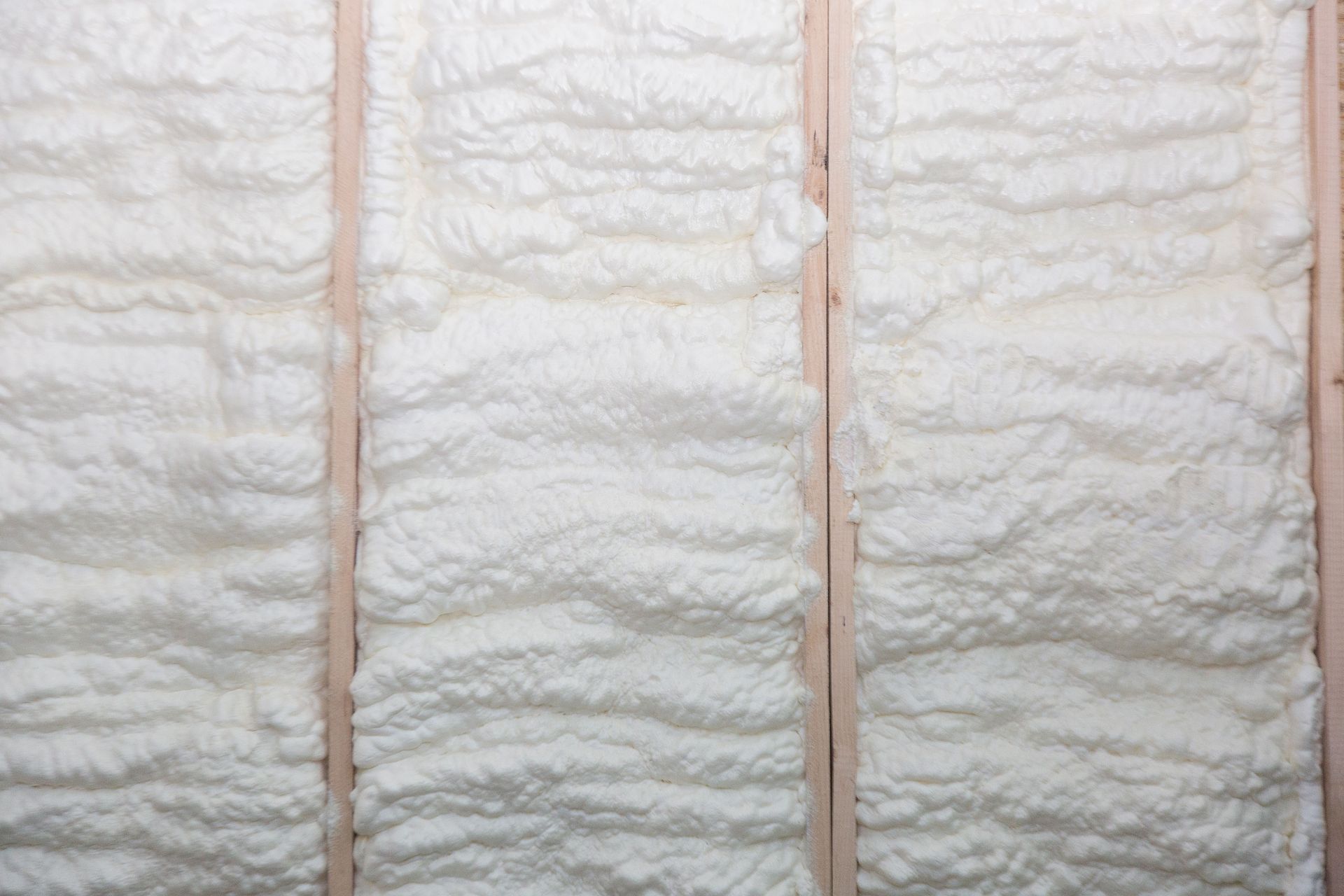
Spray foam insulation is popular for its ability to expand and fill gaps, creating an air-tight seal. This product offers superior insulating properties compared to traditional forms and is particularly effective in irregularly shaped areas. While more costly upfront, its effectiveness in preventing air infiltration leads to long-term energy savings. Many companies are specializing in spray foam solutions to meet the growing demands for high-performance insulation. This technology is particularly beneficial for spaces that require custom fits and enhanced moisture resistance.
2.3. Cellulose Insulation
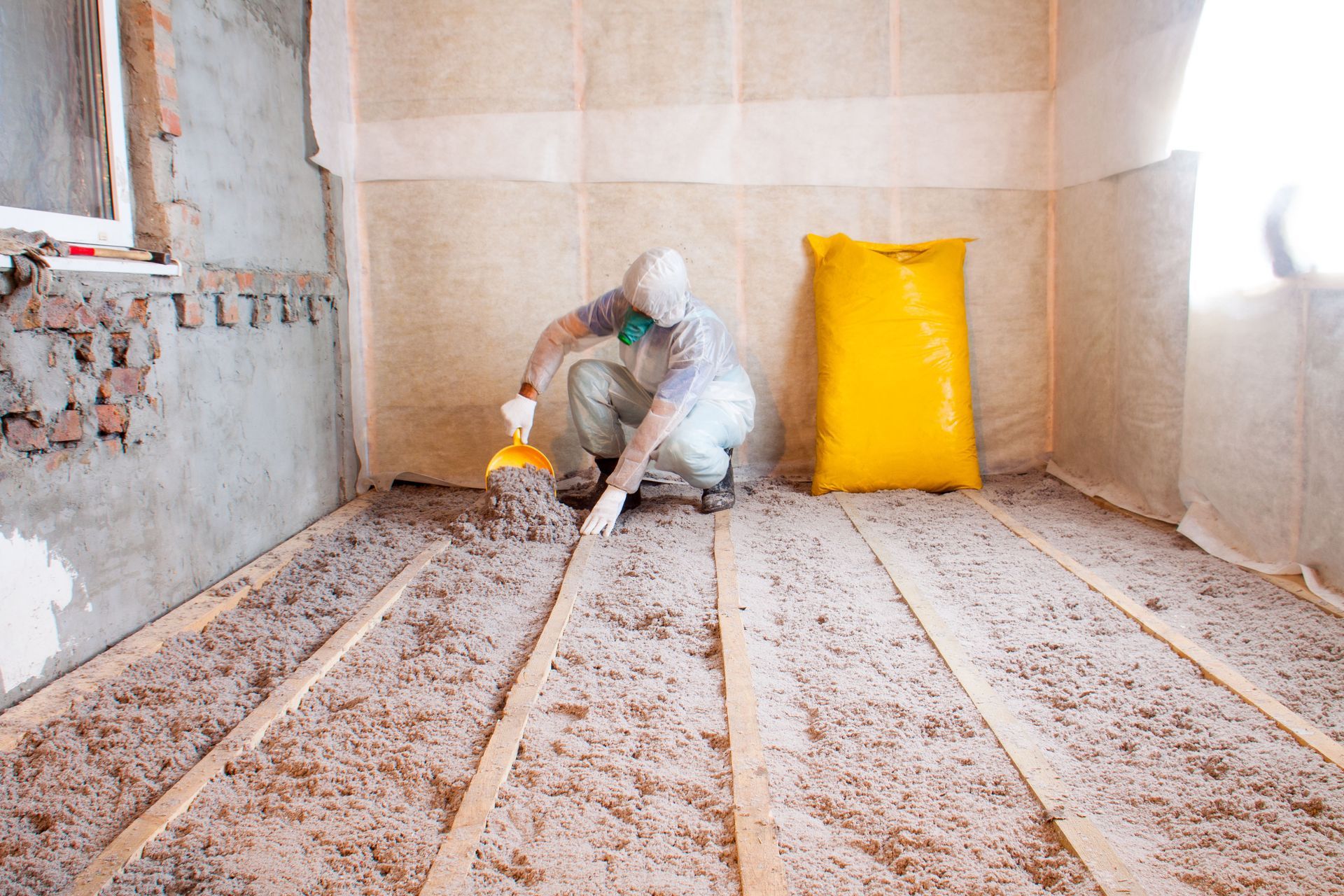
Cellulose insulation is an eco-friendly option made primarily from recycled paper products. Treated to resist fire, pests, and mold, it offers an environmentally friendly alternative to traditional fiberglass and foam. Its dense composition makes it effective at reducing air leakage and thermal transfer. Many consumers choose cellulose for its sustainable sourcing and comparable insulating properties. Insulation companies that focus on green solutions often highlight cellulose as a cornerstone product in their portfolio.
2.4. Mineral Wool Insulation
Mineral wool insulation, also known as rock wool, is lauded for its fire-resistant properties. Composed of volcanic rock and steel slag, this material can withstand high temperatures without losing integrity. Its density offers excellent soundproofing capabilities, making it a preferred choice in urban residential and commercial applications. Additionally, mineral wool is water-repellent, minimizing issues related to moisture accumulation. This type of insulation provides a balanced solution for safety and performance needs.
2.5. Reflective or Radiant Barrier Insulation
Reflective or radiant barrier insulation is designed to reflect heat, reducing cooling loads in warmer climates. Typically made from aluminum foil applied over substrate materials, it is most effective in attics where it combats radiant heat transfer from the sun. This type of insulation doesn't degrade over time, providing life-long benefits for homeowners. Because of its specialized applications, companies offering radiant barriers often cater to regions with hotter climates. Their expertise in installation maximizes the barrier's effectiveness, attracting a specific segment of the market.
3. The Competitive Market Landscape
3.1. Major Players in the Insulation Industry
The insulation industry comprises numerous key players who dominate significant portions of the market share. Large corporations like Owens Corning, Johns Manville, and Saint-Gobain are well-established names. These companies have extensive research departments that drive innovation in insulation technology. As industry leaders, they set trends and often dictate the pace at which new materials and methods are adopted. Their presence is complemented by smaller companies that may specialize in niche insulation products or regional markets.
3.2. Market Share Distribution
The distribution of market share in the insulation industry is influenced by both the scale and specialization of various players. Large corporations maintain significant shares, largely because of their broad manufacturing capabilities and brand recognition. However, smaller companies often find success by focusing on specialized products or services that cater to local markets or specific customer needs. The dynamic nature of this distribution ensures that innovation and quality remain priorities for all market participants. This competition benefits consumers, who have access to a diverse range of products and services.
3.3. Small vs. Large Companies
While large companies benefit from economies of scale, small businesses in the insulation sector offer unique advantages. They often provide personalized service and custom solutions tailored to client needs. Small companies are also more agile, able to adapt quickly to changes in market demands or regulations. They play a crucial role in the industry by filling gaps and addressing specific consumer preferences. Together, both large and small companies contribute to a robust and dynamic market environment.
3.4. Innovations as a Competitive Edge
Innovation serves as a critical competitive edge in the insulation industry. Companies invest in research to develop new materials and installation methods that offer better performance. Innovations such as improved spray foam formulations or recycled content insulation attract environmentally conscious consumers and projects. By differentiating themselves through technology, companies can gain significant market advantages. Regardless of size, the emphasis on innovation allows companies to stay relevant and meet evolving consumer expectations.
The prevalence of insulation companies is a testament to the central role that insulation plays in contemporary energy efficiency and sustainable construction. Factors such as rising energy costs, technological advancements, and evolving environmental standards drive the industry's growth. As buildings continue to move towards net-zero and energy-efficient models, insulation remains an essential component. Despite challenges like fluctuating material costs and labor shortages, the industry's resilience and innovation promise a robust future. Through adapting to global conditions and embracing sustainable practices, insulation companies are set to remain crucial players in shaping a more energy-conscious world. Be sure to reach out to Independent Insulation Services today for more information on our professional insulation companies!